Welcome to my
Projects Overview
An overview of the products, research projects and teaching tools I have built or led, newest first. The two current enterprise products are in production at q.beyond; the research projects come from my time at the University of Rostock.
Each entry names my role, what was built and where you can verify it: product pages, press releases, papers and public repositories.
Feel free to explore my work and get in touch!
Current
Private Enterprise AI: The Sovereign Enterprise AI Platform, Owned End to End
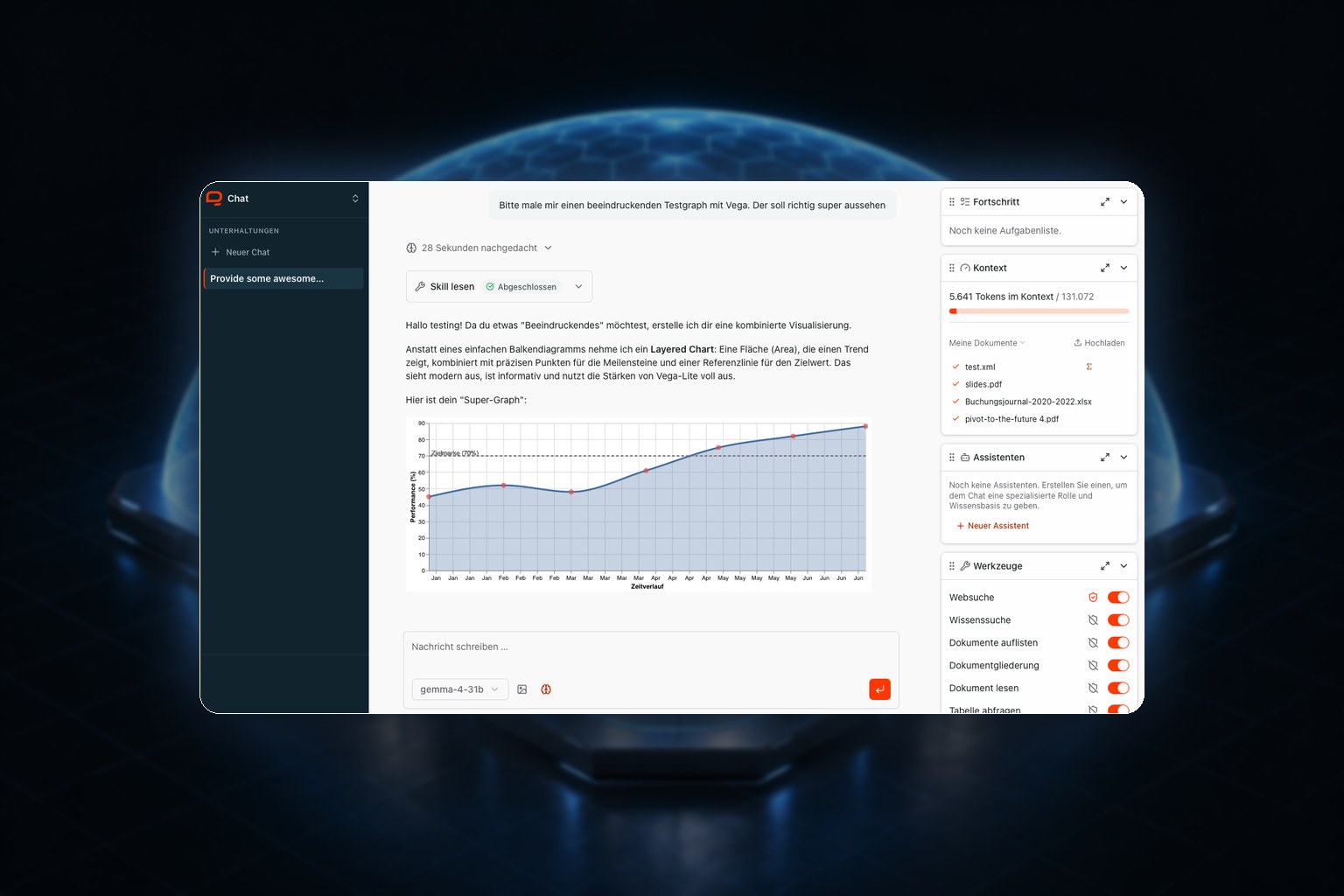
Private Enterprise AI is q.beyond's platform for companies that want to use generative AI without putting their data into a public cloud. It runs in q.beyond's German data centres or on the customer's own hardware, serves open-weight models on NVIDIA GPUs and connects public-cloud models only where the customer allows it. Employees get chat access to internal knowledge, assistants and agents for their processes; IT gets an OpenAI-compatible API, roles and rights, and an audit trail.
I am responsible for the platform from concept to deployment: product and architecture decisions, the modular monolith behind the chat workbench, hybrid retrieval over documents and spreadsheets, the agent and skills system, the API gateway with metering and budgets, a security model with deny-by-default row-level security and an append-only audit log, and the deployment console that provisions, updates, backs up and restores isolated customer instances. The platform goes through recurring security reviews and red-team rounds.
Lead AI Engineer: Concept, Architecture, Implementation & Deployment
AI Act as a Service: EU AI Act Compliance as a SaaS, Live in Two Months
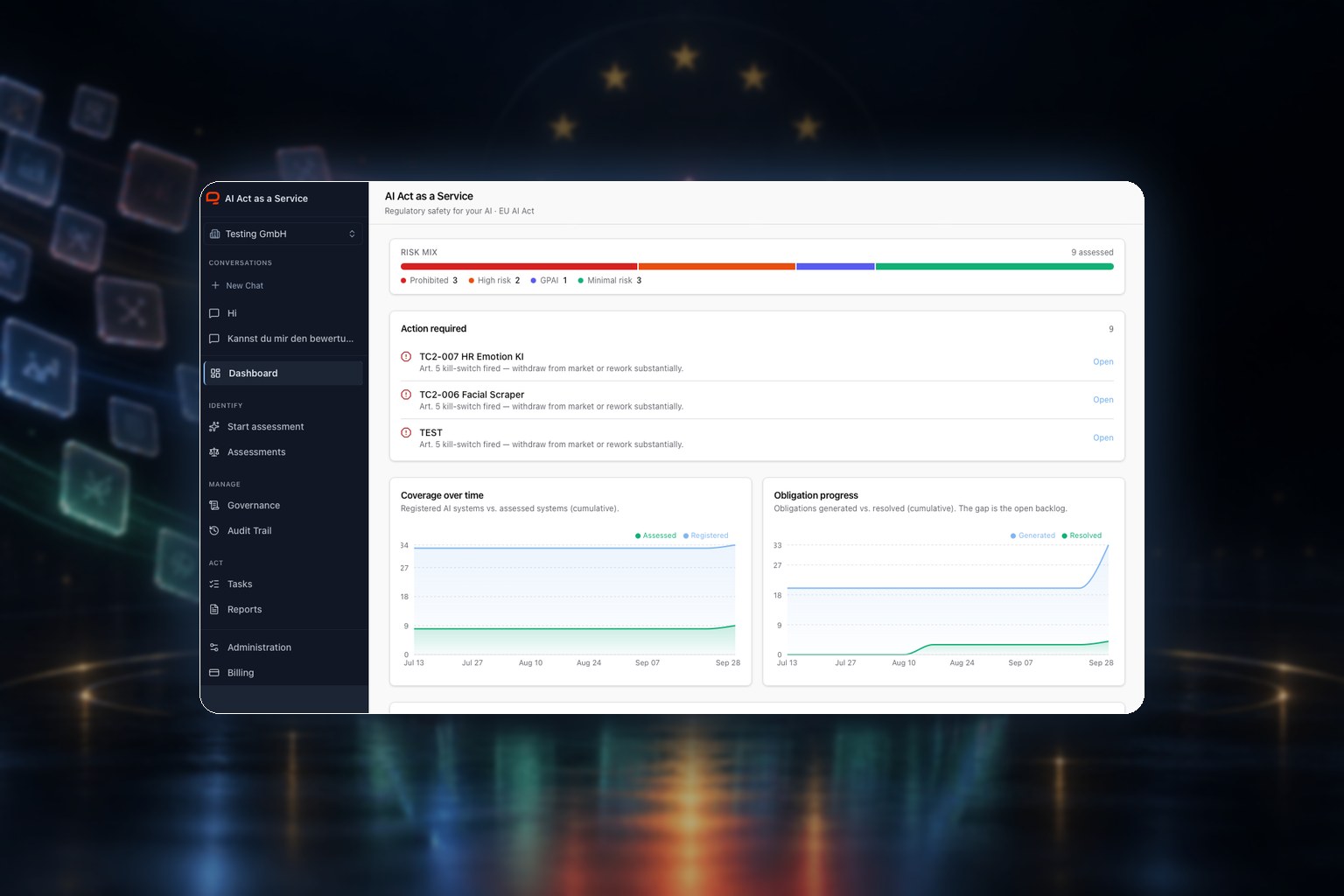
AI Act as a Service is q.beyond's answer to the EU AI Act for companies of every size: managers register the AI systems in use, classify them along a guided questionnaire, receive the obligations that apply and export audit-ready documentation and evidence. q.beyond launched the service on 9 June 2026; it is booked online, needs no integration and starts with a permanently free plan. First customers were using it productively at launch.
I led the engineering from the first concept to the production launch in two months: a multi-tenant SaaS with strict tenant isolation, a versioned EU AI Act rulebook verified against the official regulation text, obligations and task management per AI system, governance blueprints, PDF and CSV reporting on an append-only audit trail, and act.gpt, an assistant that answers AI Act questions with citations and keeps humans in the loop. The chat and agent layer builds on my open-source Socius project.
Lead AI Engineer: Architecture, Implementation & Delivery
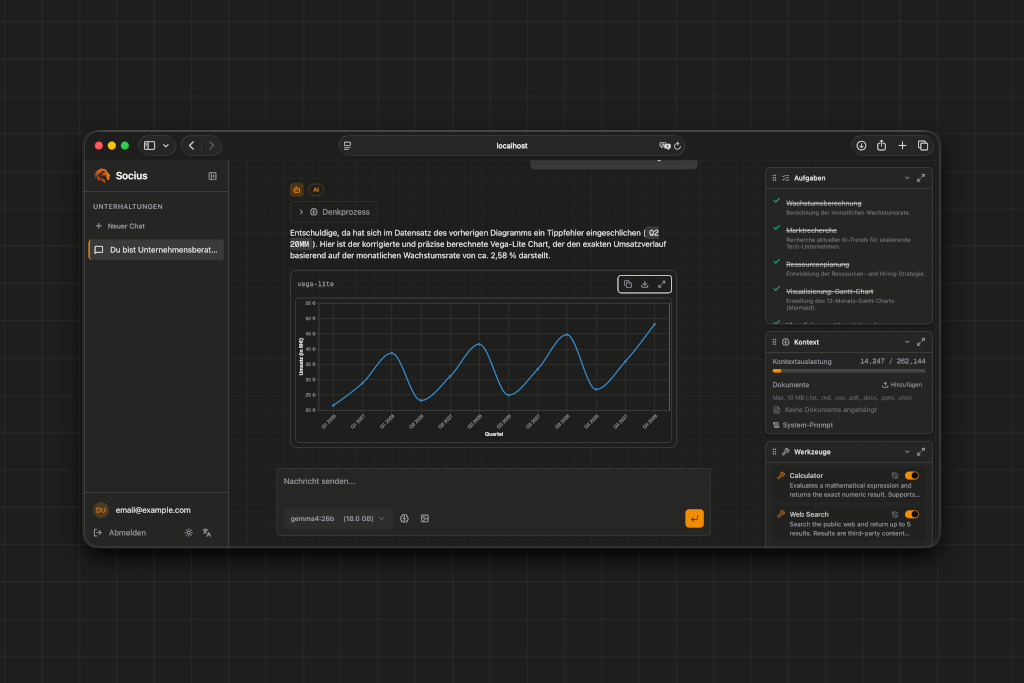
Socius: A Proof of Concept for a Self-Hosted AI Agent Workbench
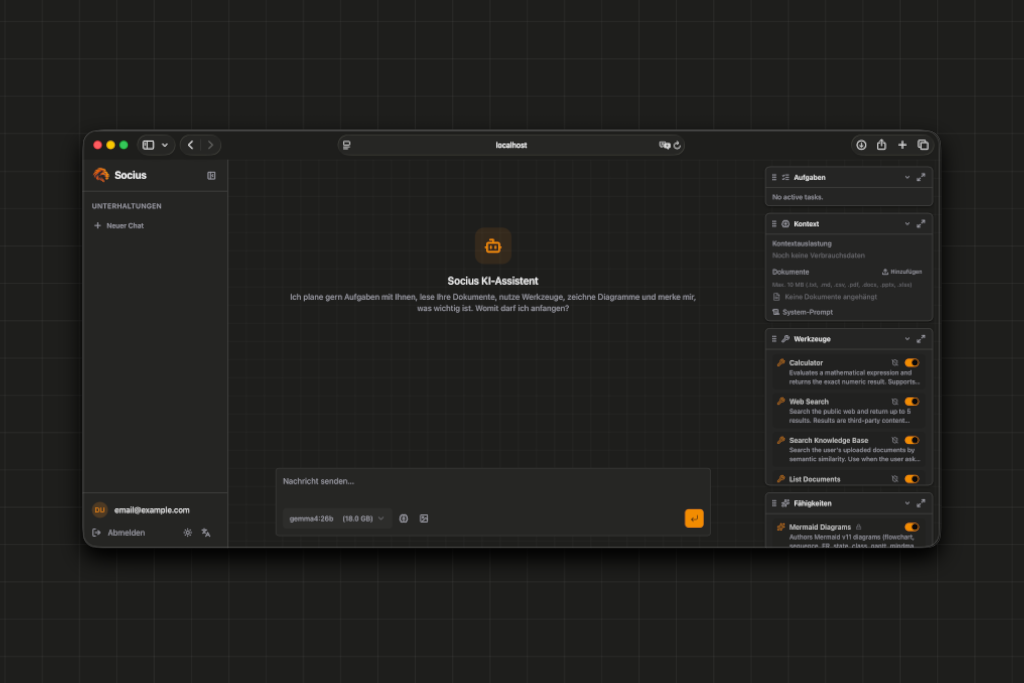
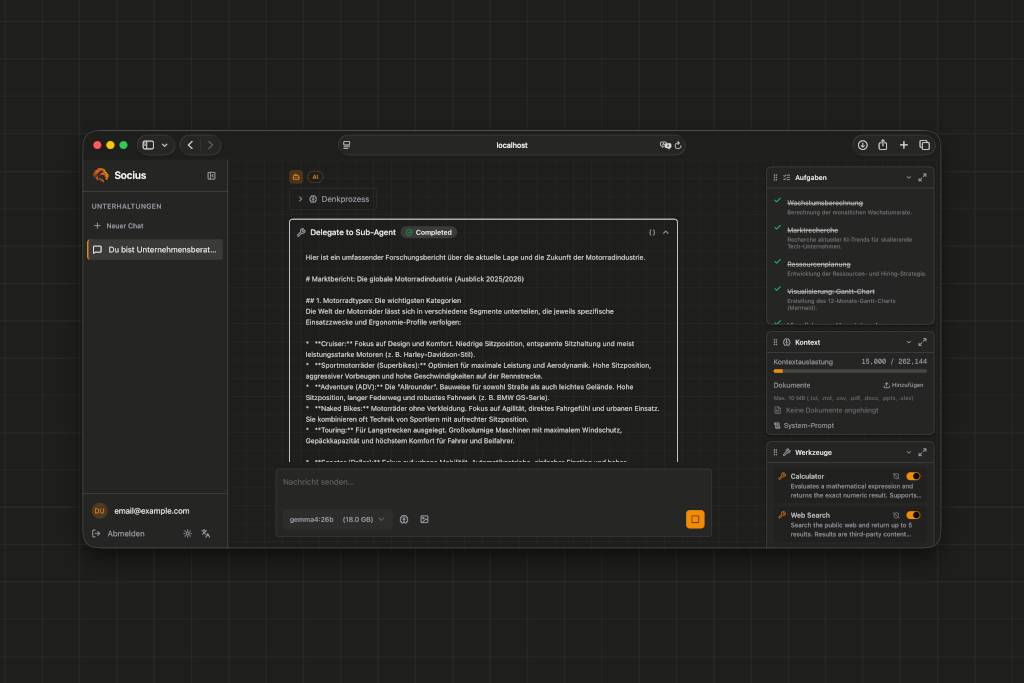
Socius tests one premise: a single Next.js 16 app on AI SDK 6 is enough for a full agent workbench. Inside that footprint sit a multi-provider LLM layer (Ollama, OpenAI, Anthropic, and any OpenAI-compatible endpoint), a ToolLoopAgent with native tools and MCP servers, subagent delegation, persistent user memory, agent- and user-authored skills loaded at runtime, and human-in-the-loop approval for sensitive operations. Retrieval is BM25 plus pgvector with Reciprocal Rank Fusion over BGE-M3, and Docling for PDF, DOCX, PPTX, XLSX. Rendering uses Mermaid, Vega-Lite, and tool-result panels. AI SDK 6 carries the agent loop, and the application code stays slim.
EU AI Act requirements map cleanly onto five places: audit logging in middleware, tool approval in the agent hooks AI SDK 6 exposes, AI disclosure in a UI badge, source citations in the retrieval path, and risk classification in a Markdown skill the agent loads. Each obligation lives at the point it is actually enforced, not in a separate compliance layer above the app.
Design, Development & Operations
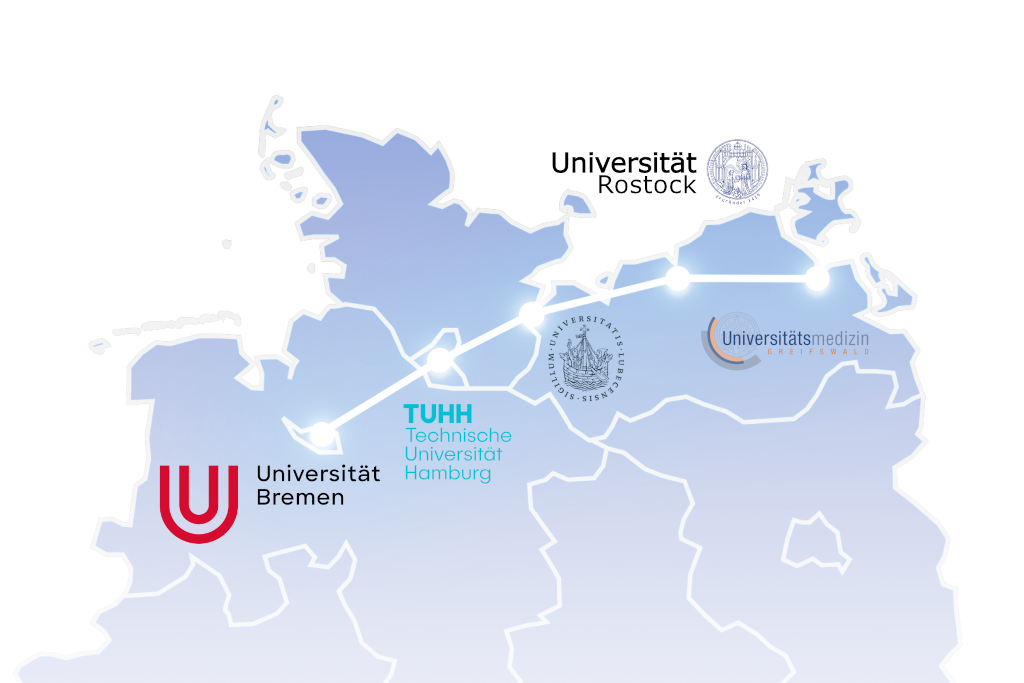


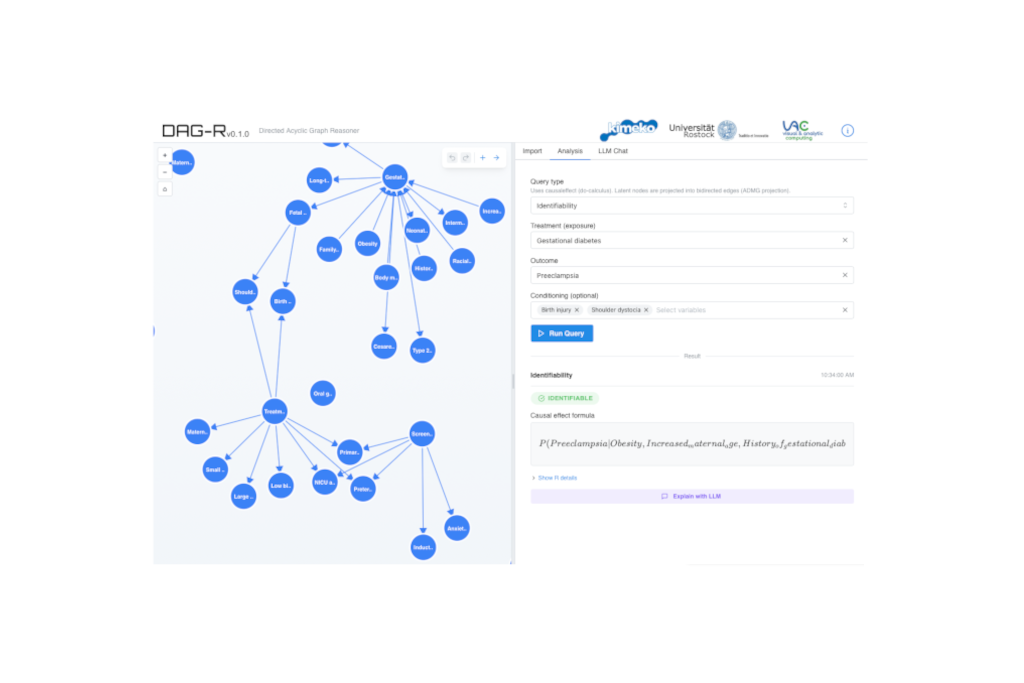

KiMeKo: Advancing AI in Medical Technology
KiMeKo (KI-Med-Ökosystem Nord) was a BMBF-funded collaborative project uniting leading AI institutes, medical technology companies, and university hospitals across Northern Germany. The initiative established an ecosystem that accelerated the development and regulated deployment of AI-based medical products.
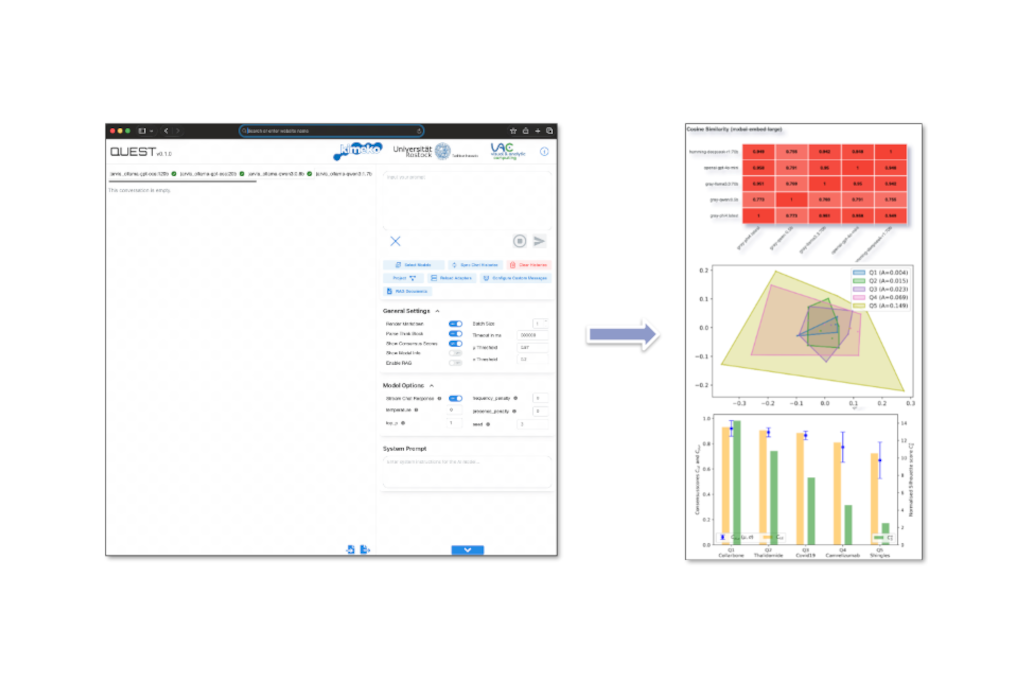
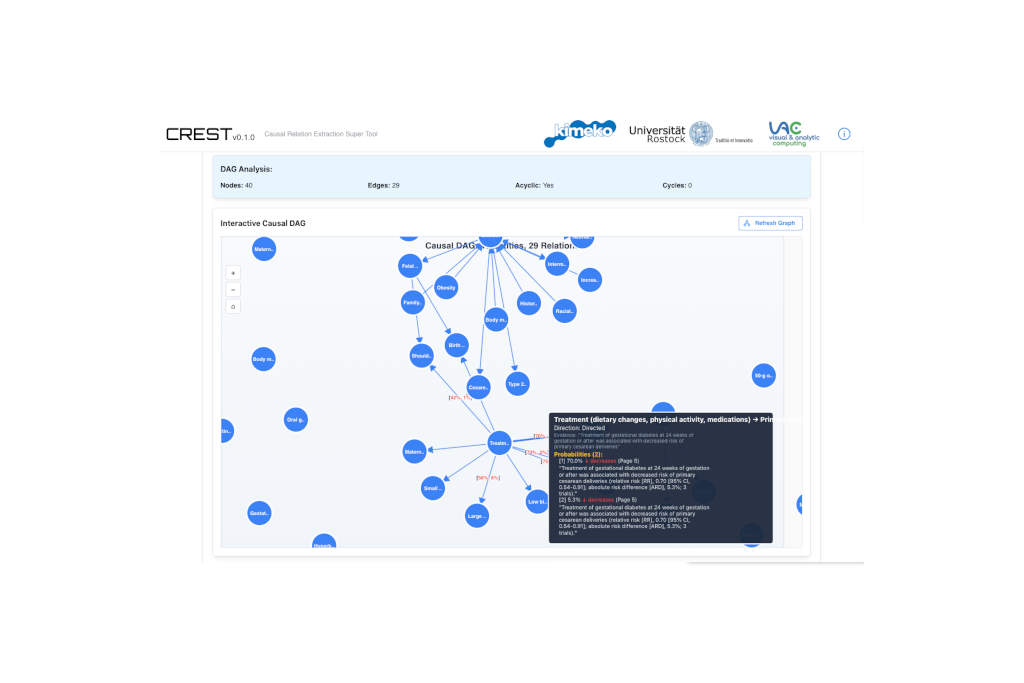
At the University of Rostock, I led research on validating language models and extracting causal knowledge from medical texts. My team developed three open-source prototypes that together formed a pipeline from text to verifiable clinical reasoning: QUEST, a platform for interactive, multi-metric evaluation of LLMs across providers (OpenAI, Anthropic, Ollama), integrated into the ki-med-nord.de validation service; CREST, which used LLMs to extract causal directed acyclic graphs (DAGs) from clinical literature following Judea Pearl's causality framework, with interactive DAG visualization and Graph Edit Distance comparison; and DAGR, a causal-inference companion that took CREST's DAGs and computed identifiability (Shpitser-Pearl ID algorithm), d-separation, backdoor/front-door criteria, and valid adjustment sets via an R backend. Together, these tools closed a central gap for the use of LLMs in medicine: validation, causal alignment, and verifiable reasoning.
Research and Management
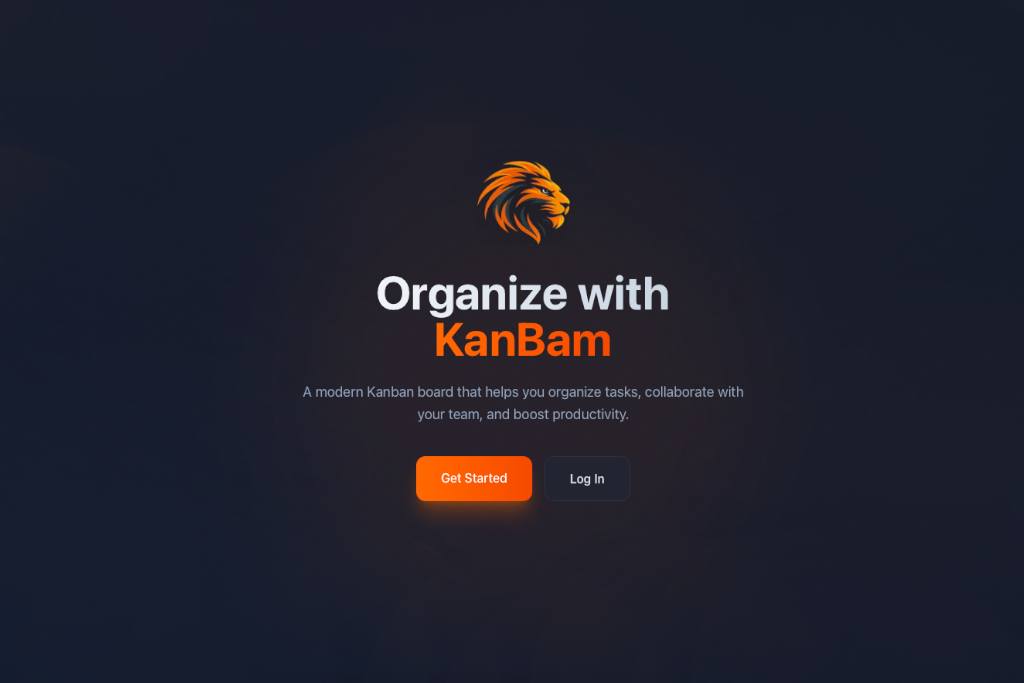
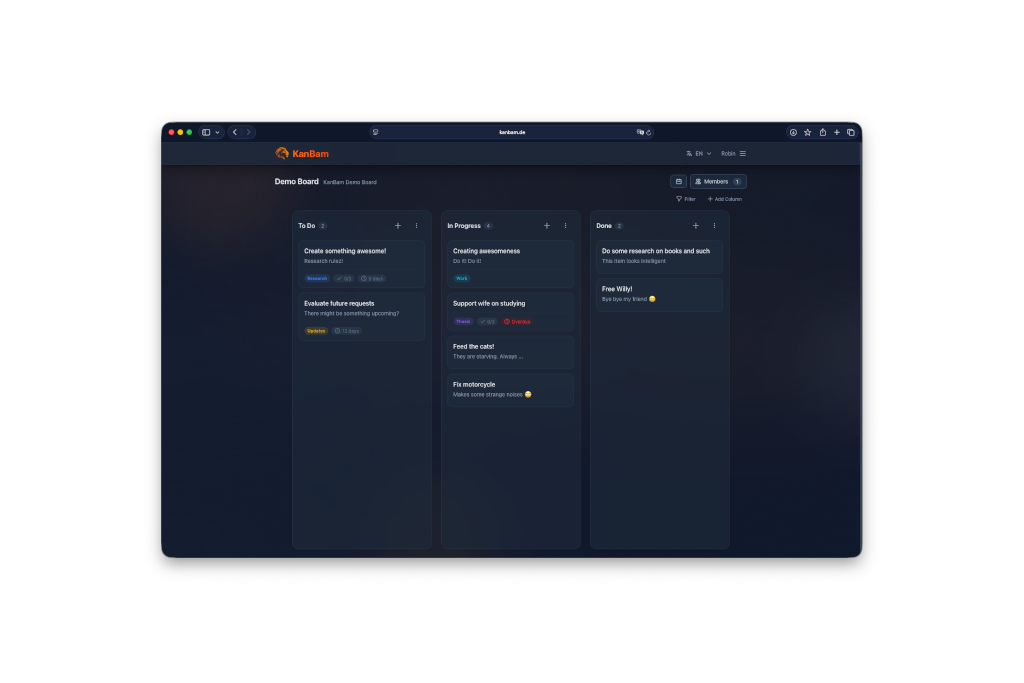
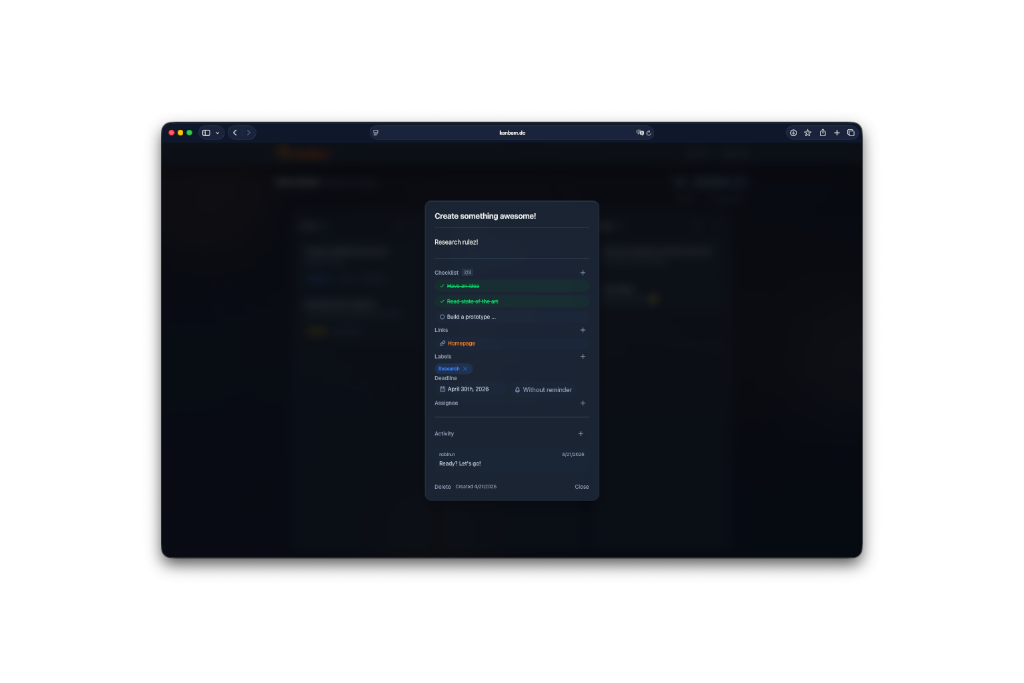
KanBam: A Kanban Board, Built in Two Weeks
Most Kanban tools are buried in bloated frameworks or overpriced for what they really do: move a card from one column to another. That annoyed me enough to build my own.
KanBam went from idea to production in two weeks, developed from scratch with AI-assisted product development. It covers the essentials: boards with custom columns, drag-and-drop cards, checklists, deadlines, and collaboration with fine-grained permissions, all synced live across connected clients. Less tool, more doing. Free to use at kanbam.de.
Design, Development & Operations
2024


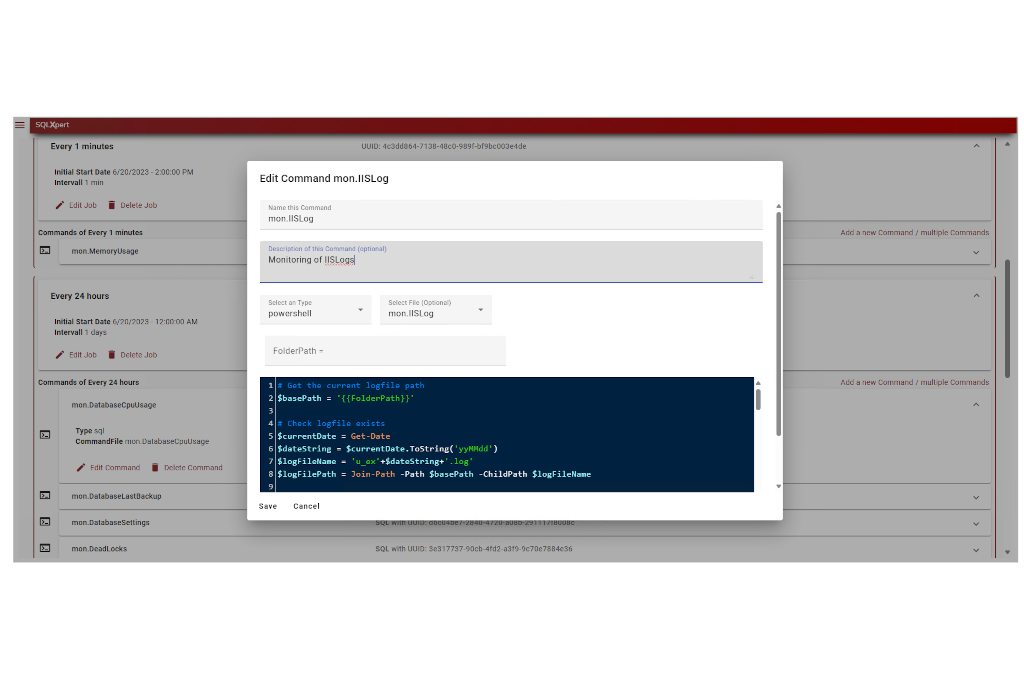
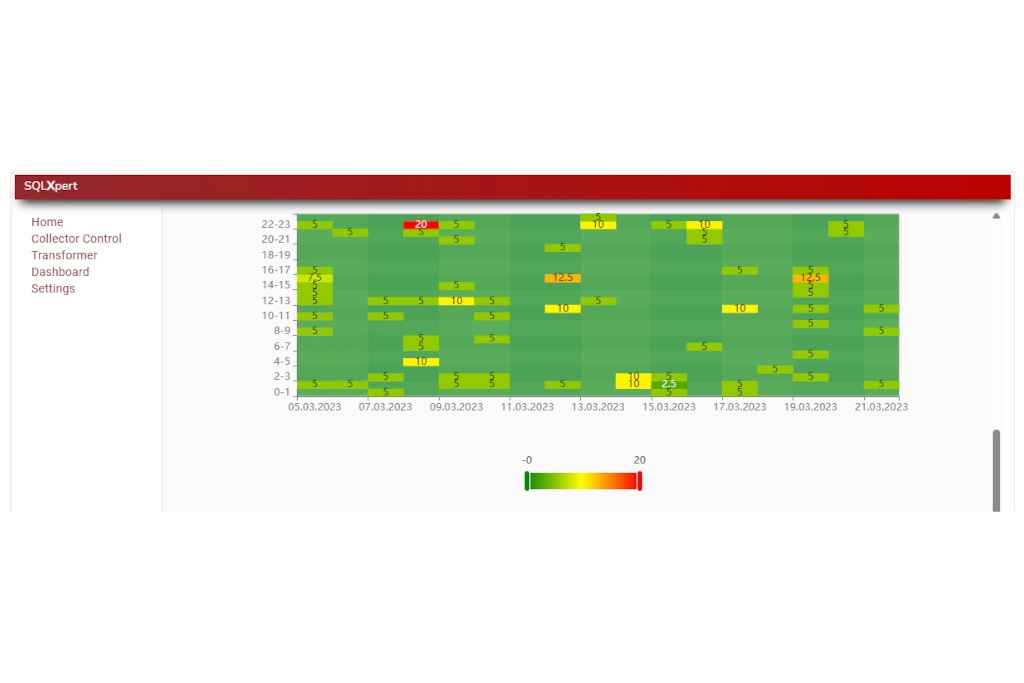
AnalyticXpert: Advanced Resource Monitoring
From 2022 to 2024, I was the CTO, lead developer, and architect of AnalyticXpert. Together with sqlXpert GmbH, we developed a tool to monitor critical company resources, including databases, servers, and processes. Our system featured 'Collector' agents, controlled by a 'Supervisor,' for scheduled infrastructure and resource assessments, as well as crawling capabilities to identify weaknesses in targeted resources. At the end of 2023, the company was sold, after which I returned to academia to continue exploring AI techniques.
Chief Technology Officer (CTO)
2022
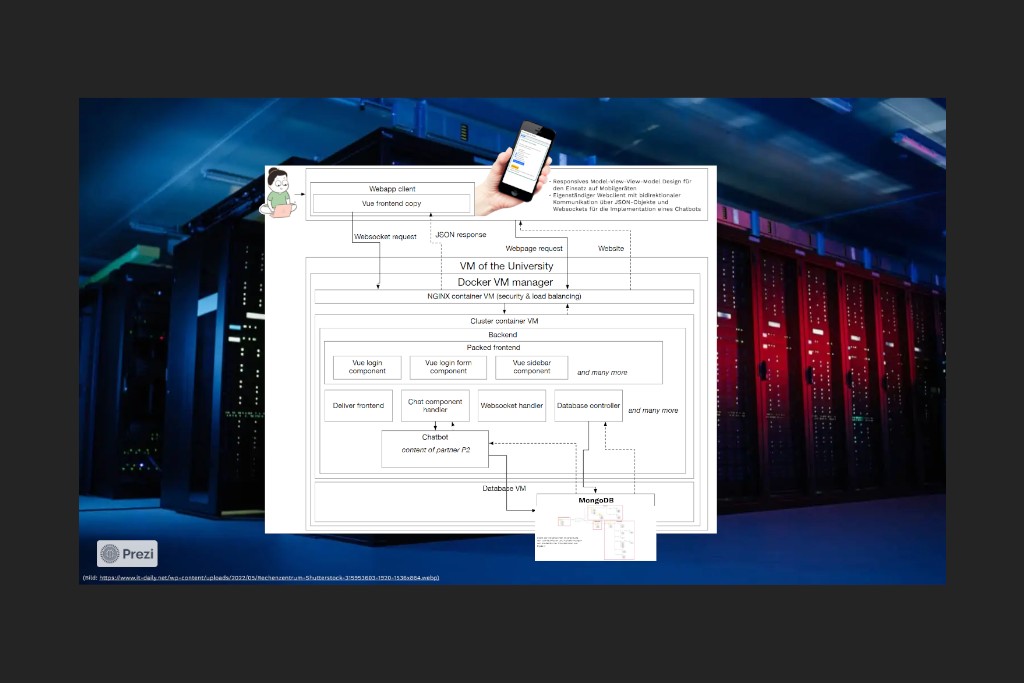
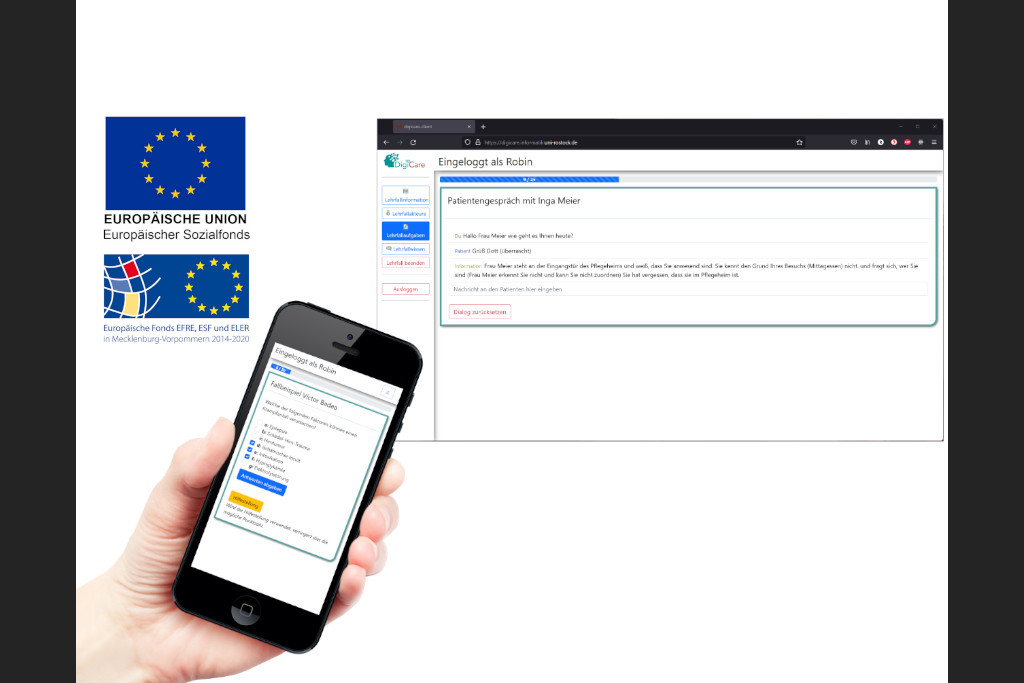
DigiCare: Kognitive Desease Simulation
Understanding the challenges of digitizing education in nursing and health management, we initiated the DigiCare project to enhance learning experiences through innovative digital solutions. This initiative involves recording existing lectures and organizing them into a semantic structure, facilitating both on-site and distance learning. Additionally, we are developing an AI dialogue system to assist students by simulating various nursing scenarios. Our chair the Practical Computer Science Group at the University of Rostock, the University of Applied Sciences Neubrandenburg, and the German Centre for Neurodegenerative Diseases Rostock/Greifswald.

Bridging Didactics and AI: Analyzing Learning and Teaching
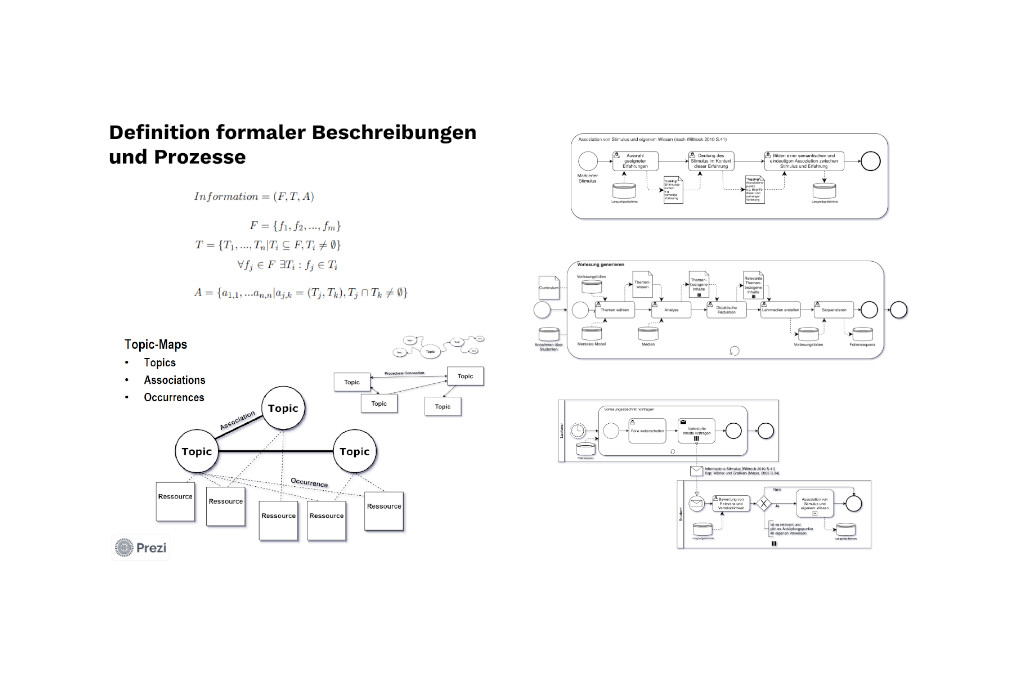
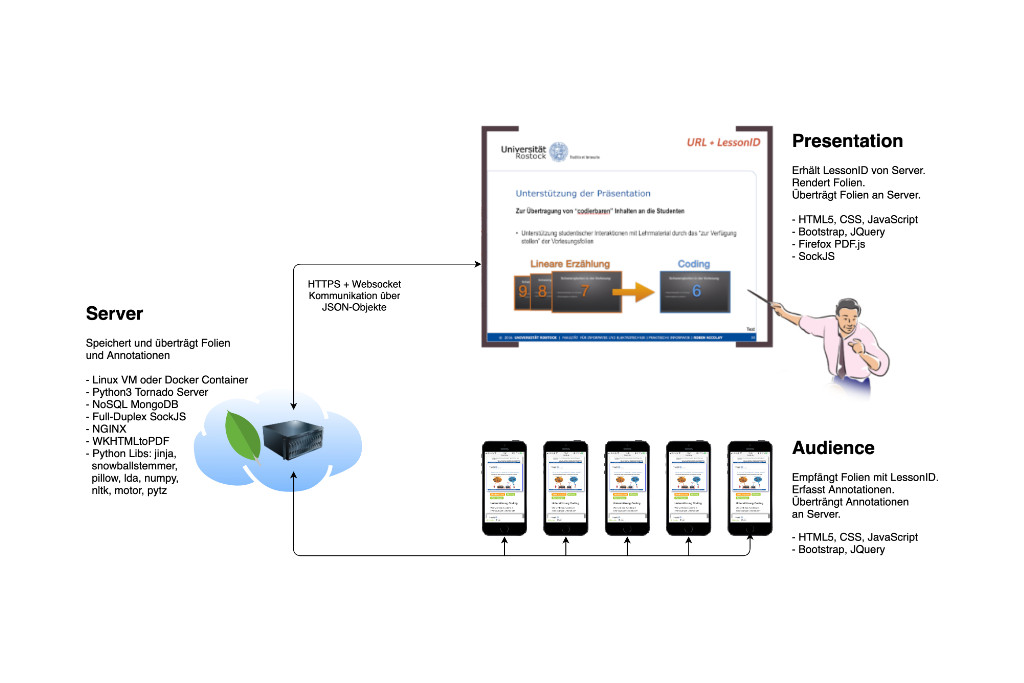
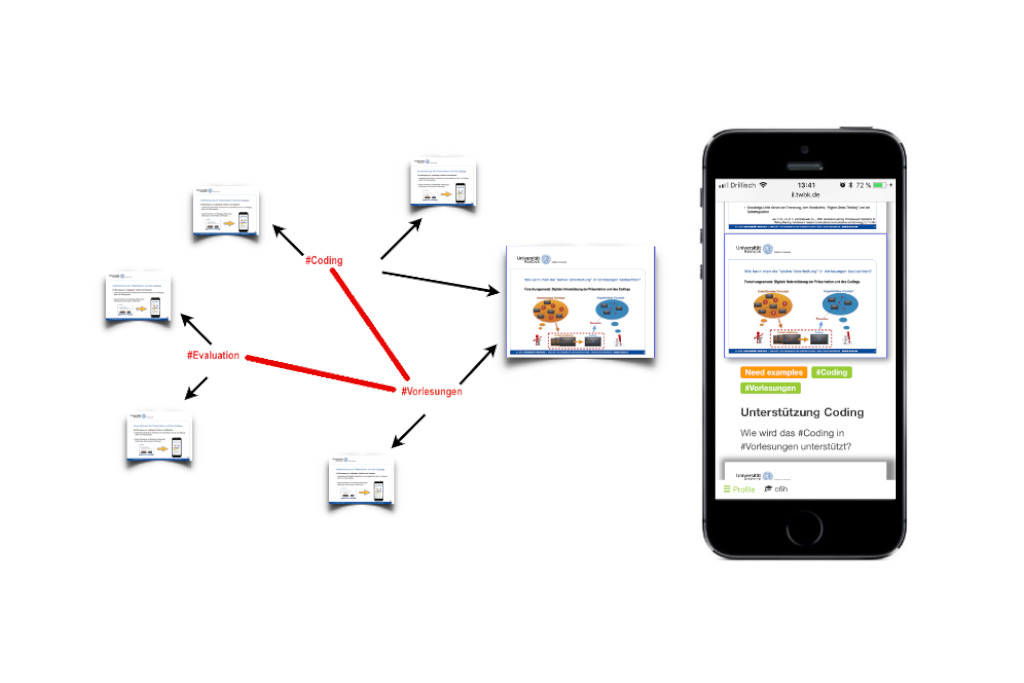
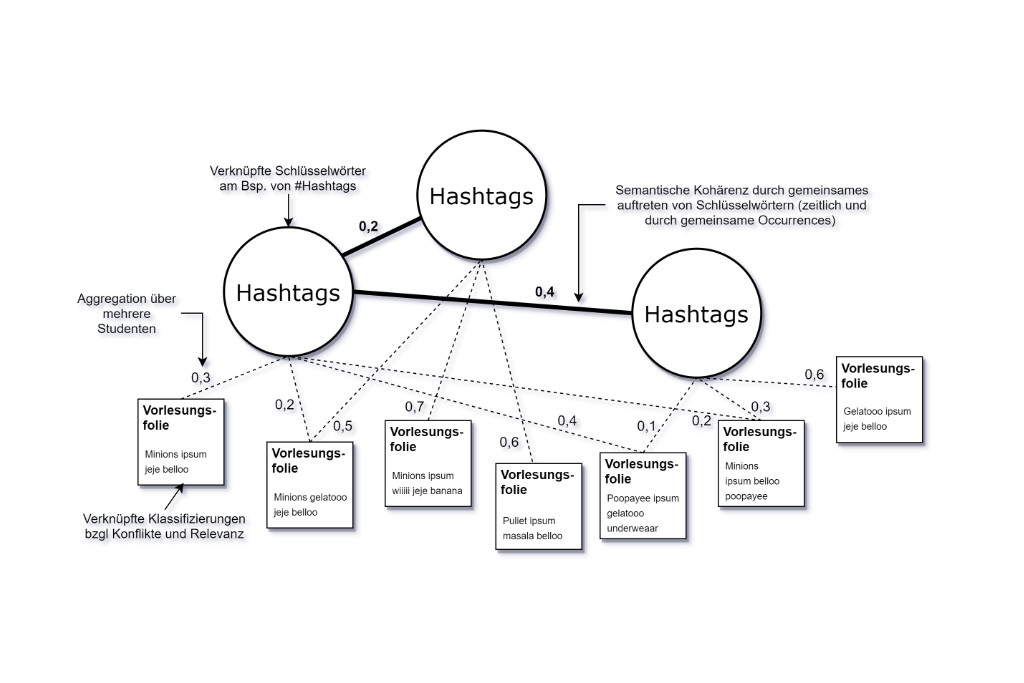
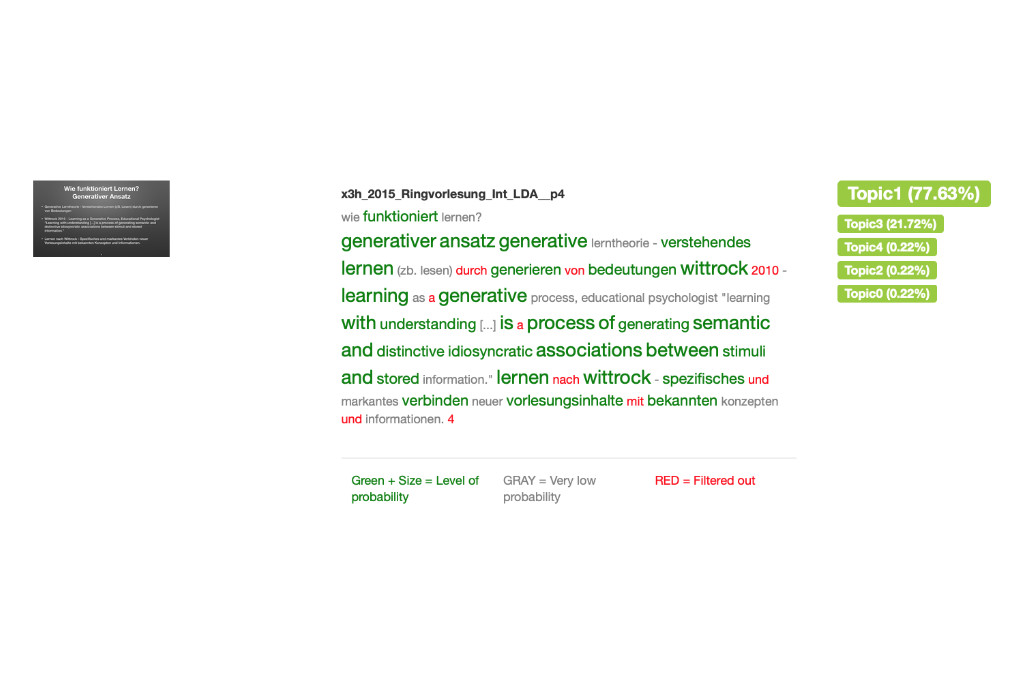
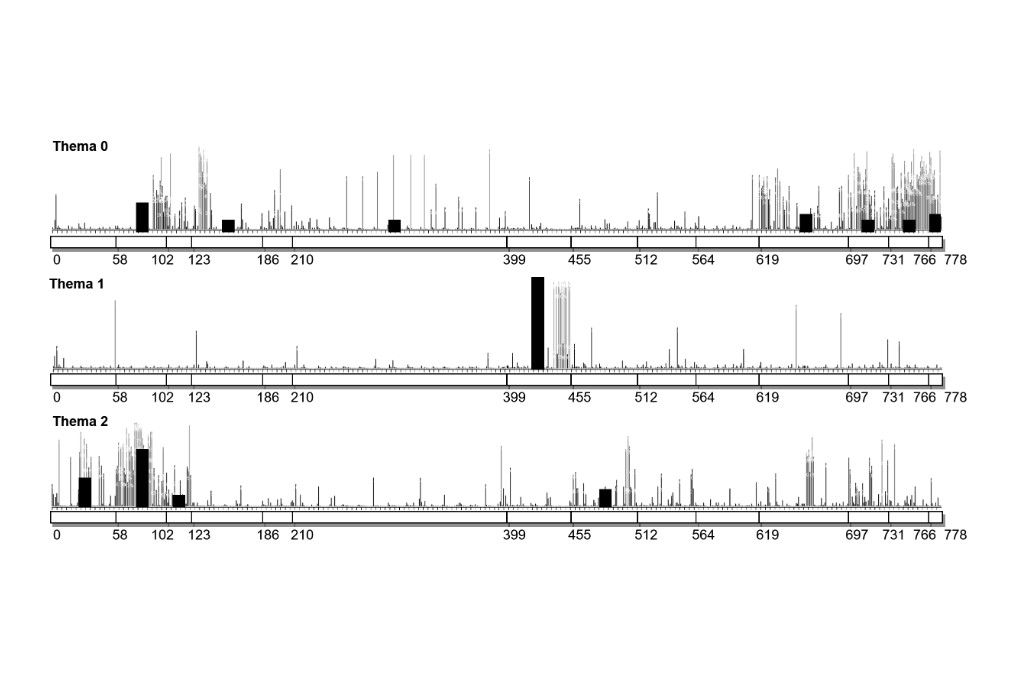
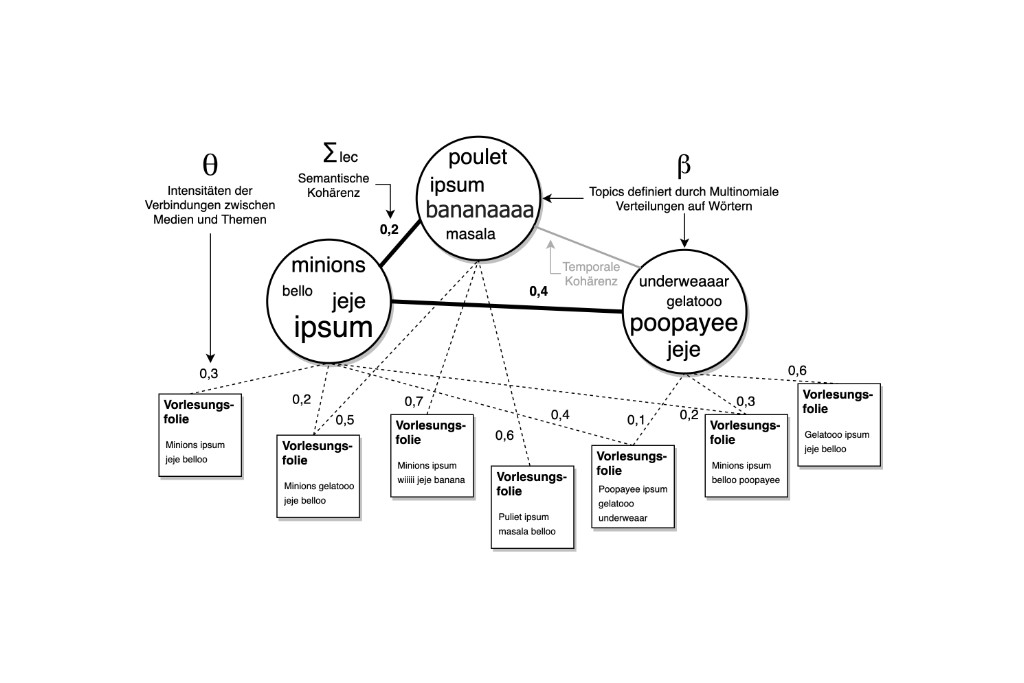
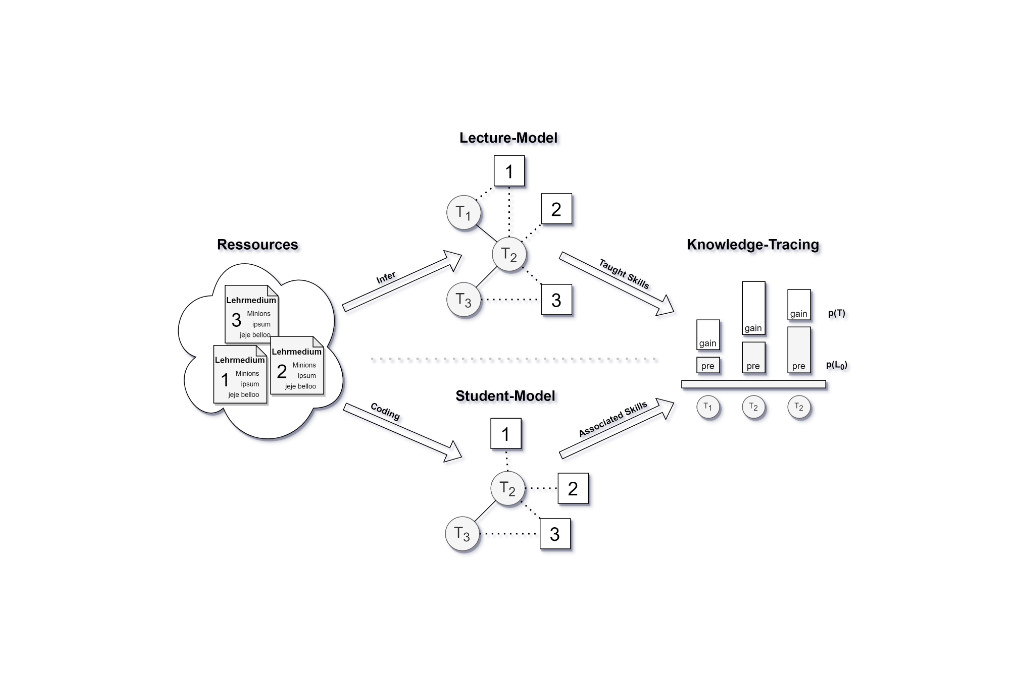
Traditional lectures often suffer from a lack of interaction between lecturers and students. To address this, my research focused on analyzing learning processes and structuring teaching materials through AI-driven methods. By integrating generative learning theories, knowledge management, and natural language processing, I develop tools to observe student learning activities and extract information structures from unannotated educational content. Using topic modeling and topic map models, my work enables a systematic comparison of learning and teaching processes. The developed software provides researchers in pedagogy and psychology with new means to study digital education, fostering data-driven insights into effective teaching strategies.
Research and Lecturing

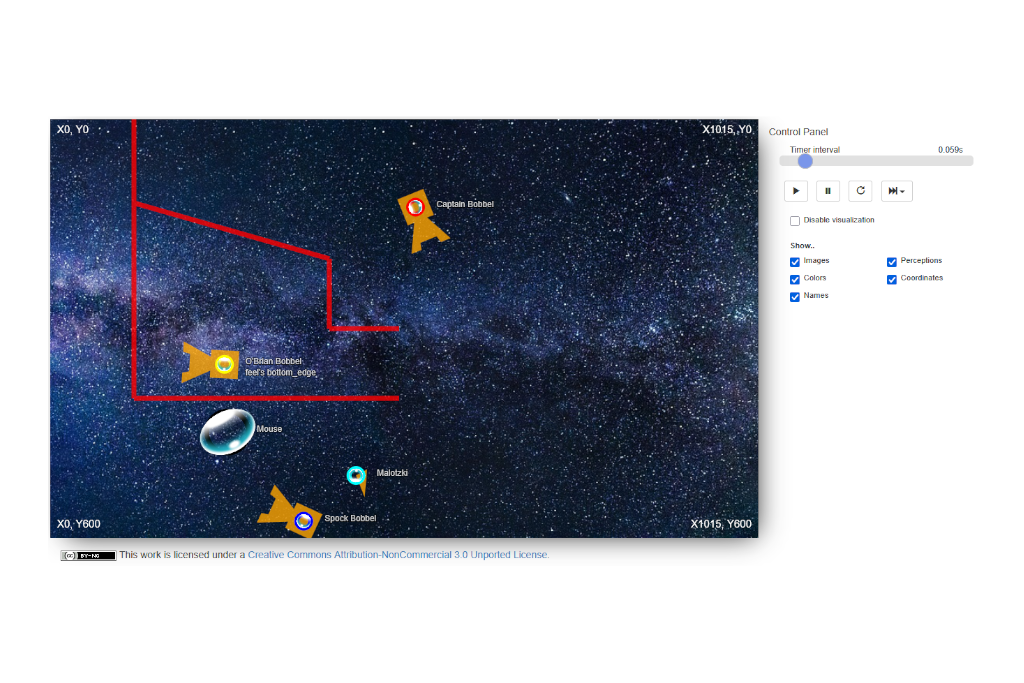

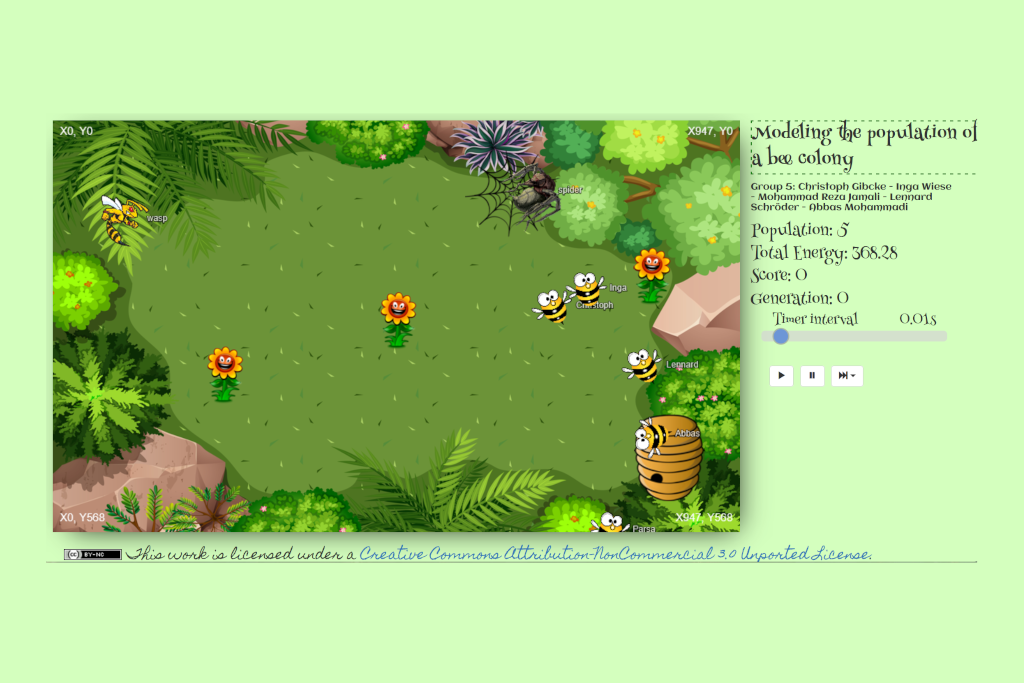


FishTank: Neuroevolution of Augmenting Topologies.
Understanding cognitive science modeling in AI can be challenging for students, especially when bridging concepts from psychology, medicine, and biology to computer science. To enhance learning, we developed the Happy Fish Tank, an interactive simulation where students apply AI and cognitive science principles in a playful environment. In this virtual ecosystem, fish and kraken evolve through neural networks and evolutionary algorithms (NEAT), learning survival strategies like finding food and avoiding predators. Students develop intelligent behaviors, integrating cognitive science concepts like decision-making, adaptation, and inheritance. This approach has led to deeper understanding in the combination of neuronal networks and evolutionary algorithms and improved academic performance. The first prototype, FishTank, was developed under my supervision in one of my courses. Building on this experience, I later designed BobbelTank as a dedicated teaching framework.
Research and Lecturing
2013
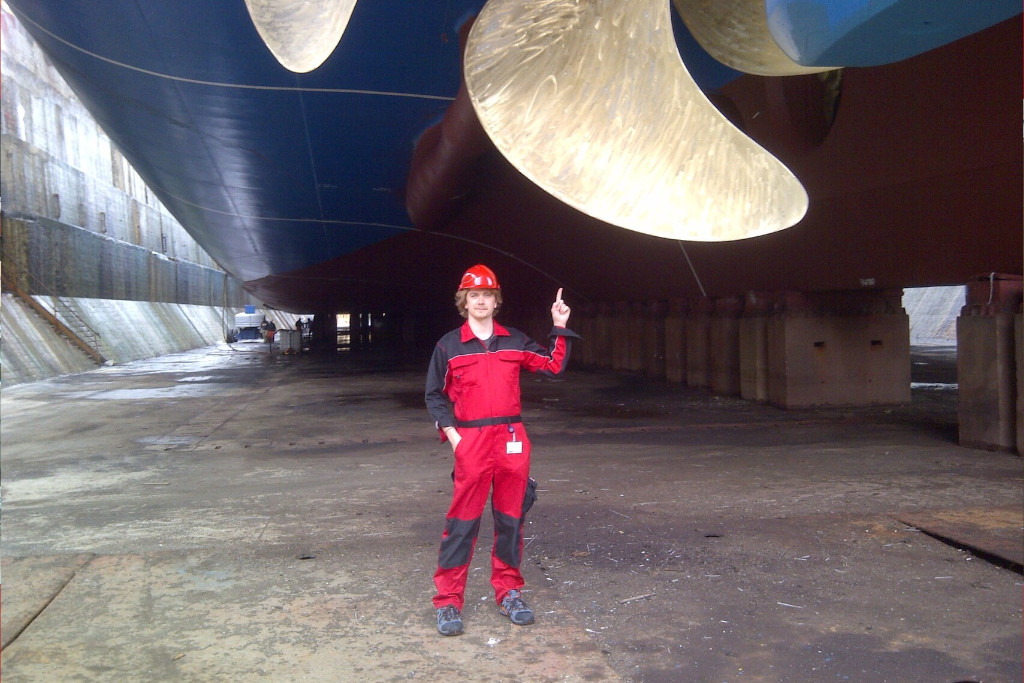
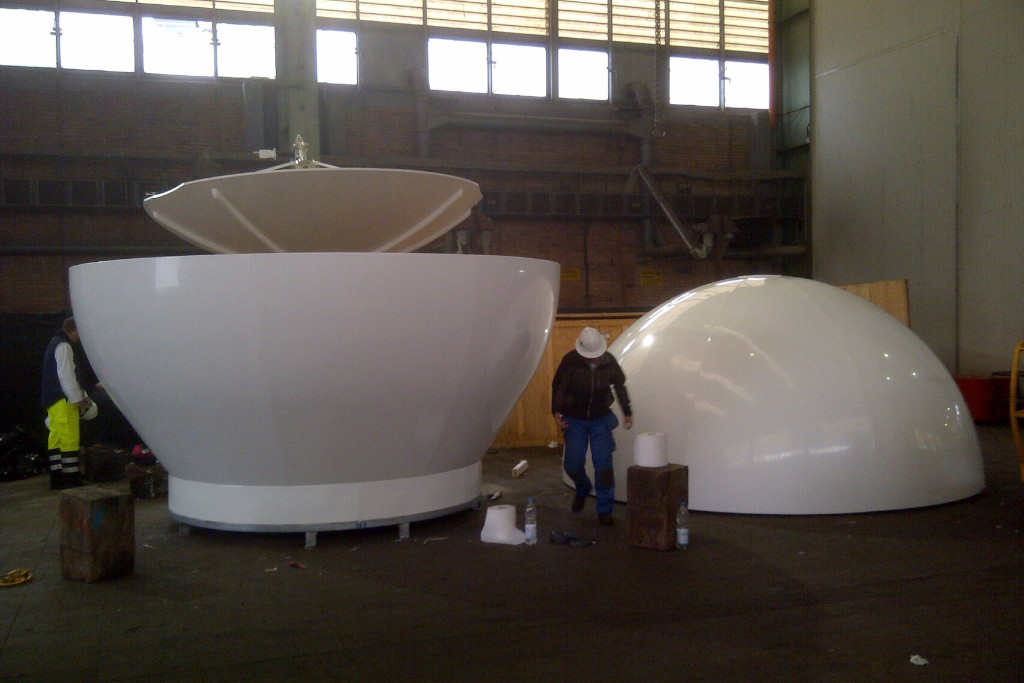

Network & Security Engineering at AIDA Cruises
As a Network and Security Engineer at AIDA Cruises, I was responsible for configuring and securing both the headquarters and onboard network infrastructure, as well as ensuring webpage security. I also became an MTN Certified Satellite Configuration and Maintenance specialist. During my time there, I redesigned and replaced an outdated RSA token-based ship access system for external service providers with a streamlined onboard application. By integrating firewall directory services and documentation, this solution significantly reduced complexity and saved the company a six-digit investment. Additionally, I developed a live satellite connectivity monitoring system, enabling faster response times to network outages at headquarters. Beyond technical challenges, this role gave me valuable insights into the intricate infrastructure of these incredible ships—whether rewiring onboard data centers, participating in the construction of AIDAmar, deploying new satellite systems, or traveling the world along the way. 🚢🌍
Network/Security Engineer
2011


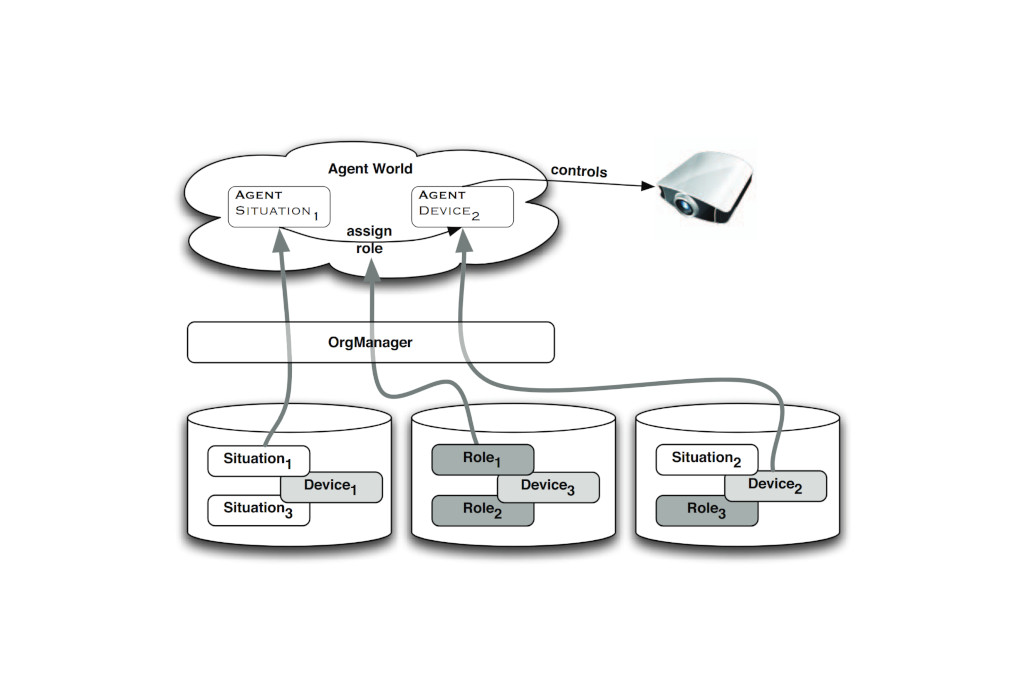
AI Agents for Intelligent Environments
Managing dynamic and heterogeneous device ensembles can be complex, especially when ensuring seamless coordination and proactive user assistance. As part of my diploma thesis, I developed an agent-based control system that dynamically assigns agents and functional roles based on the current state of all devices and their existing responsibilities. This adaptive approach enables real-time decision-making, optimizing system behavior according to changing conditions. We demonstrated its effectiveness in a smart meeting room scenario, where agents autonomously coordinated devices to enhance user experience. A user evaluation confirmed the approach’s feasibility, highlighting improvements in responsiveness and system efficiency.
Research
Meanwhile
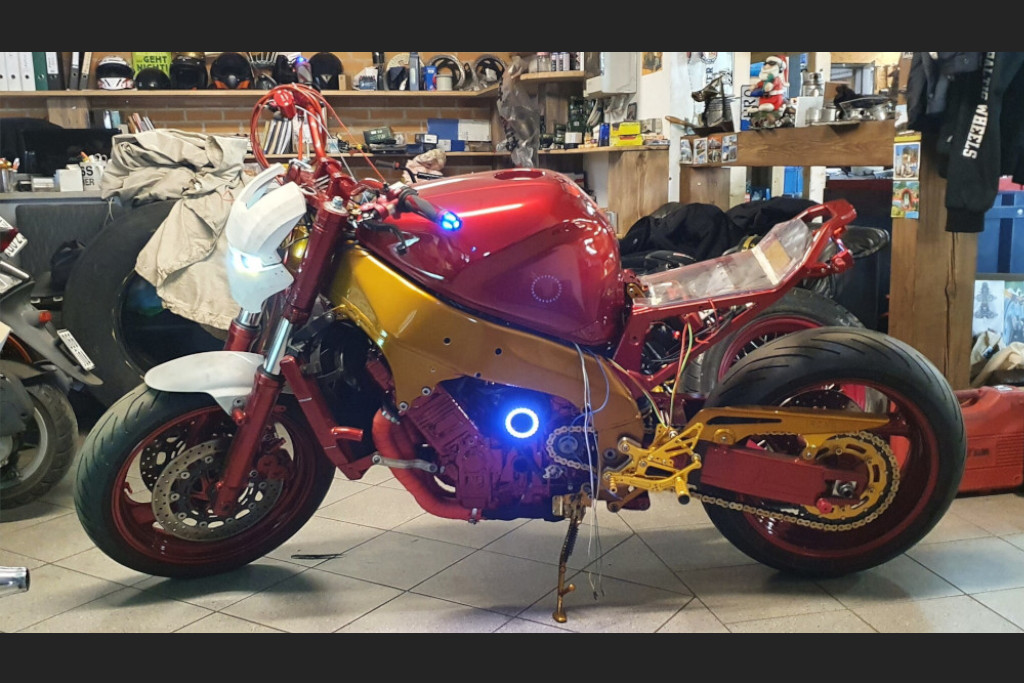

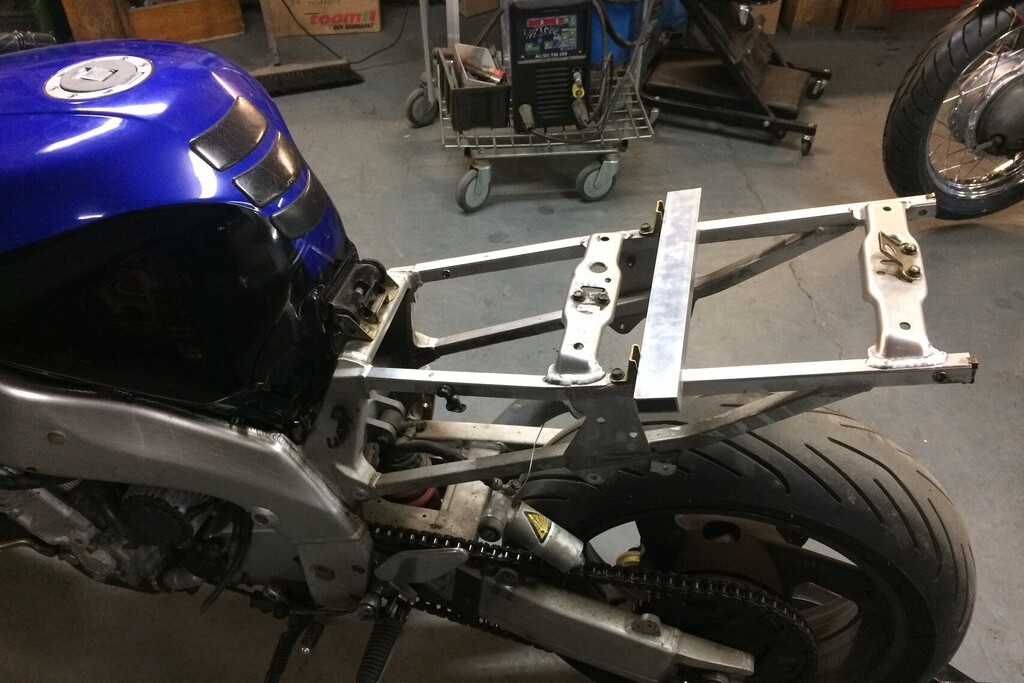
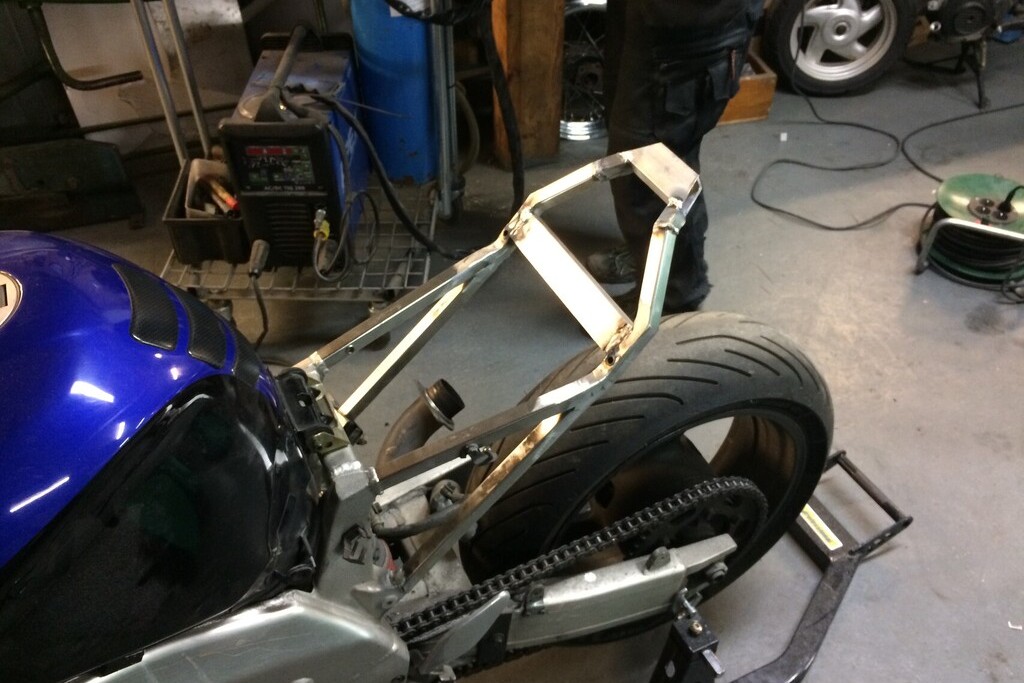

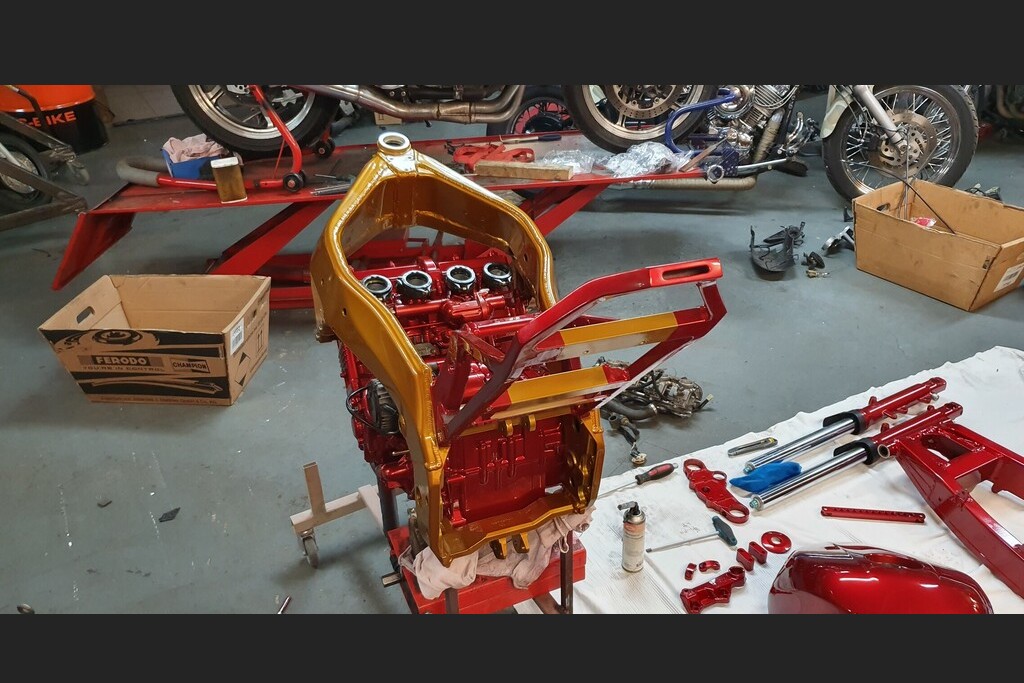

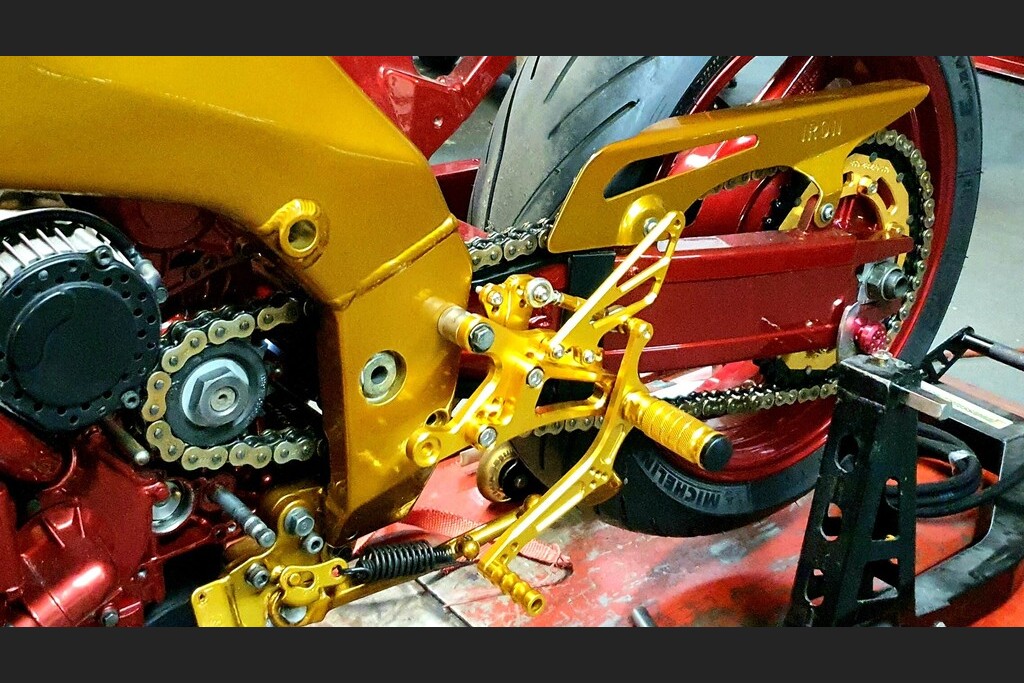

Ironman Bike and Jarvis Integration
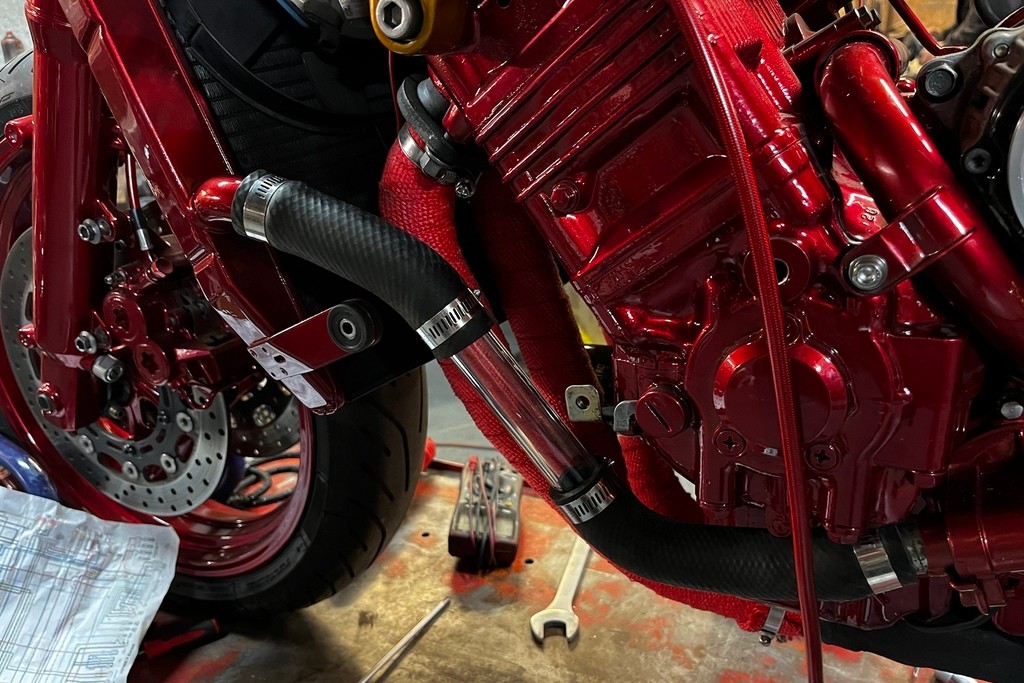
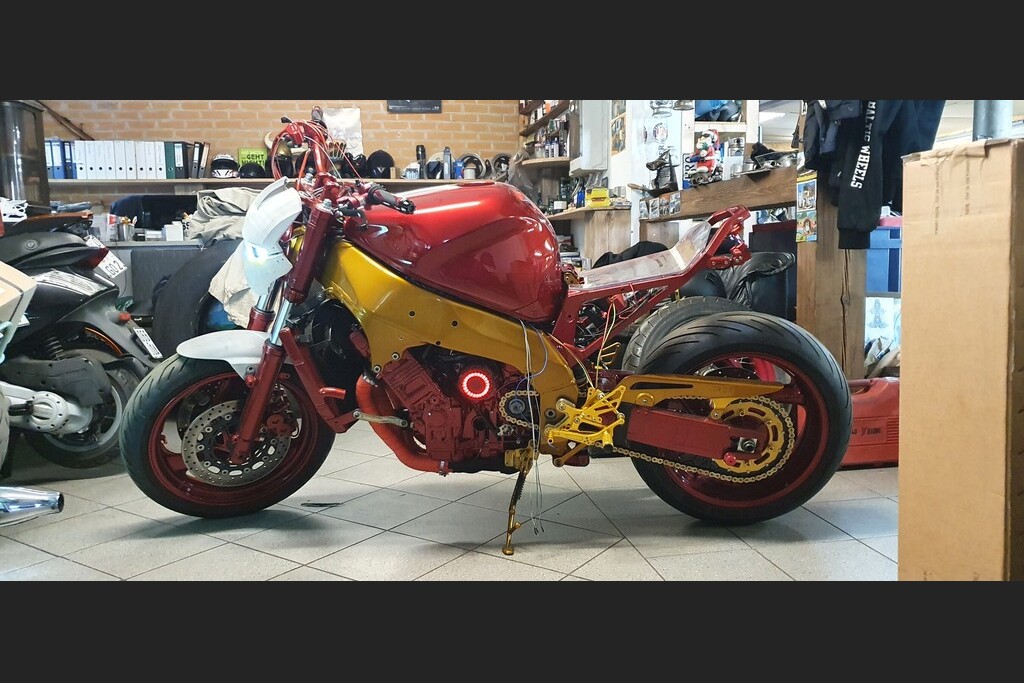
Beyond my professional work, I love bringing creative and technical ideas to life. One of my most exciting projects is the Ironman Bike, which I’m currently building with my good friend André Bekter, a professional motorcycle engineer and the head of Antec-Bike.
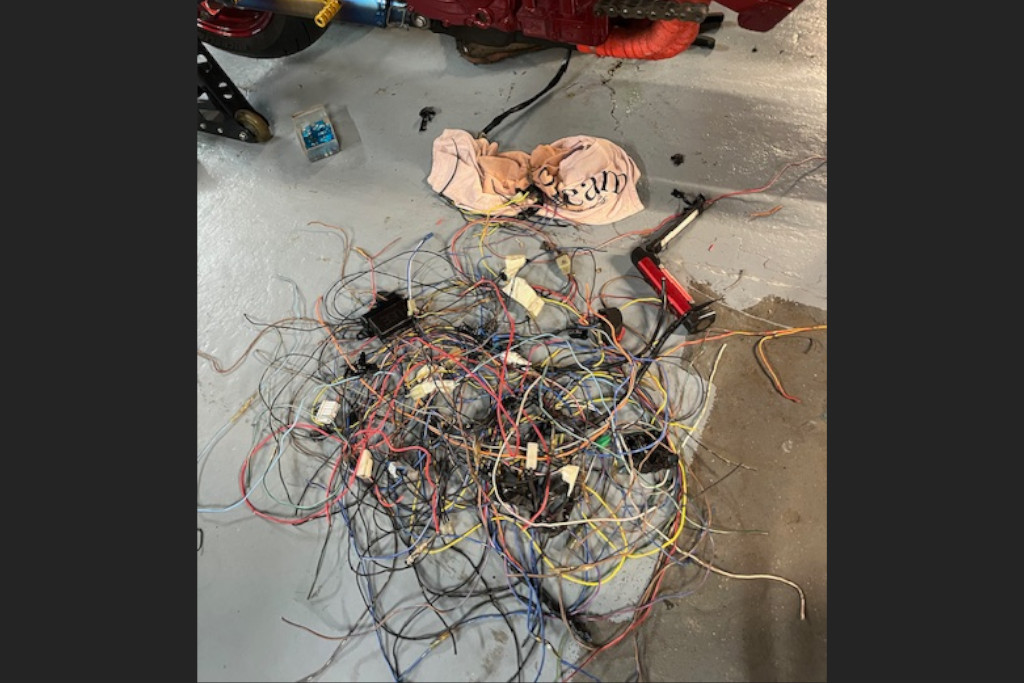
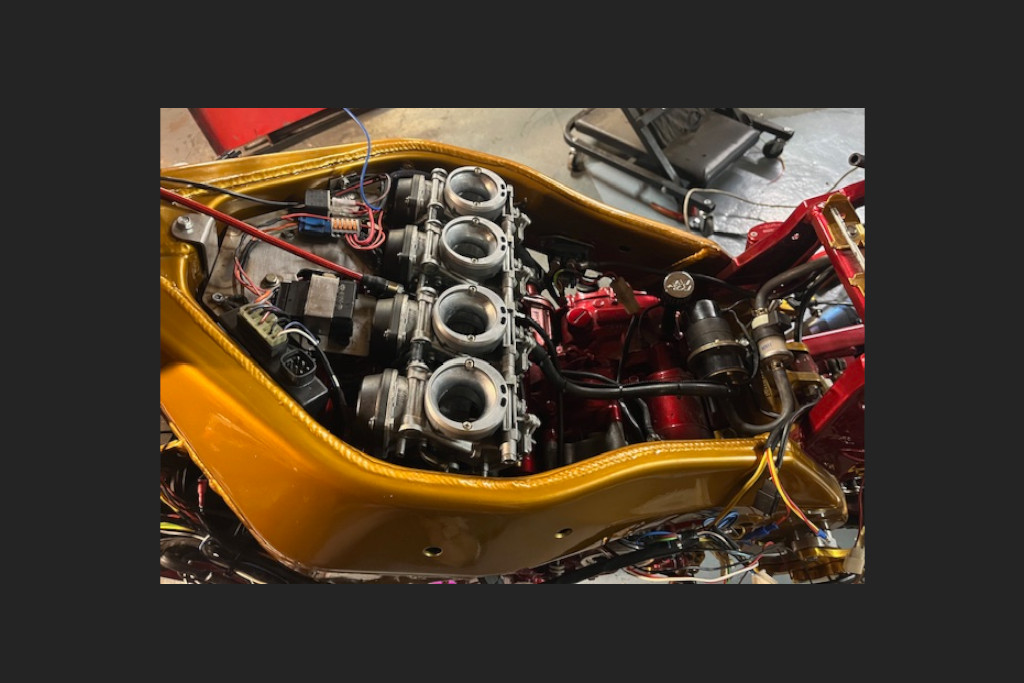
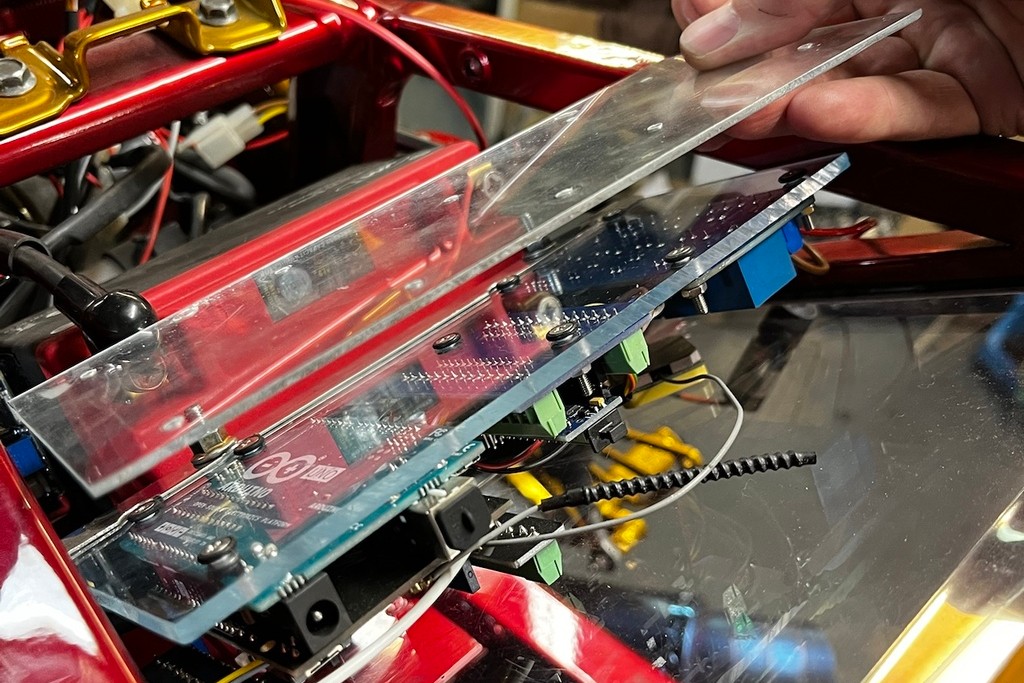
We started with a 1998 Yamaha Thunderace YZF, a machine with 150 horsepower that has stood the test of time. But instead of just restoring it, we reengineered it from the ground up. The outdated electronics have been replaced with custom Arduino-based controls and new relays, ensuring modern reliability and smart automation.
The front features a 3D-printed Ironman mask I extracted the structure from a video game. The alternator is now covered by an Arduino-powered animated arc reactor. The direction indicator are also blue repulsors, because why not go all in? The real magic happens in the bike’s custom Jarvis UI, which not only manages essential functions like a GPS-based speedometer and automatic flasher shutdown, but also responds to SMS by sending a Google Maps link with the current location.
It’s as much a passion project as it is a technical challenge, blending electronics, software, and design into something unique. As the final touches come together, I can’t wait to take it on the road. It’s been a journey of engineering, problem-solving, and pure enthusiasm.
Motorcycle Hacker and Sci-Fi Engineer